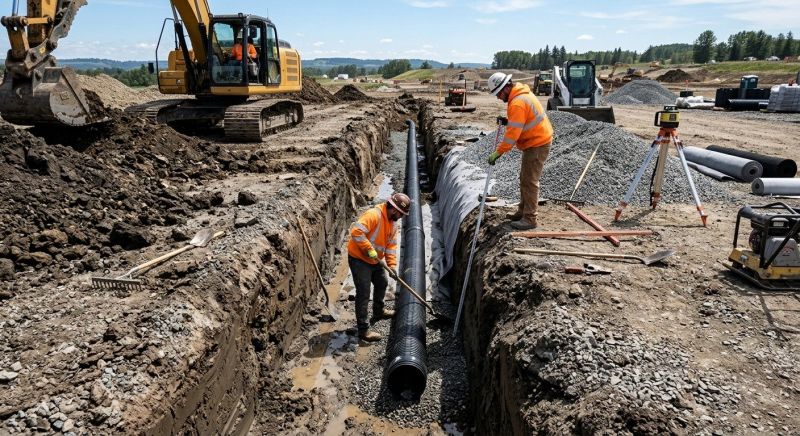
Drain Trenching in Houston, TX
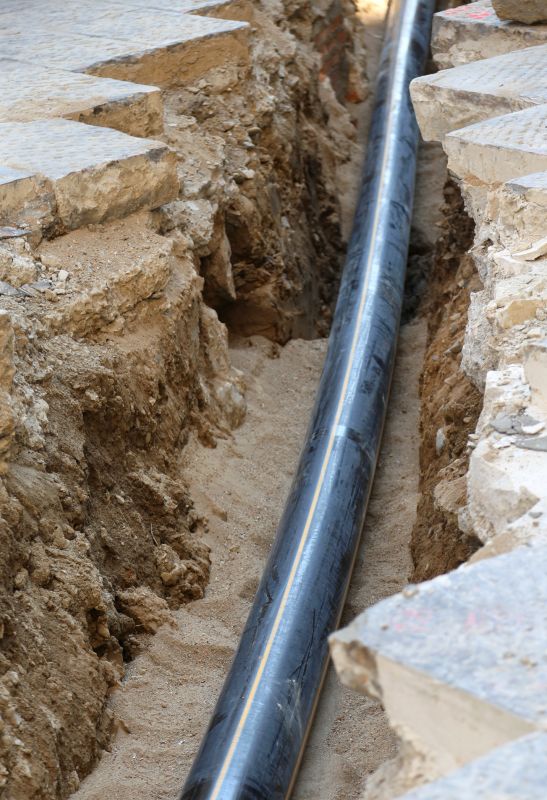
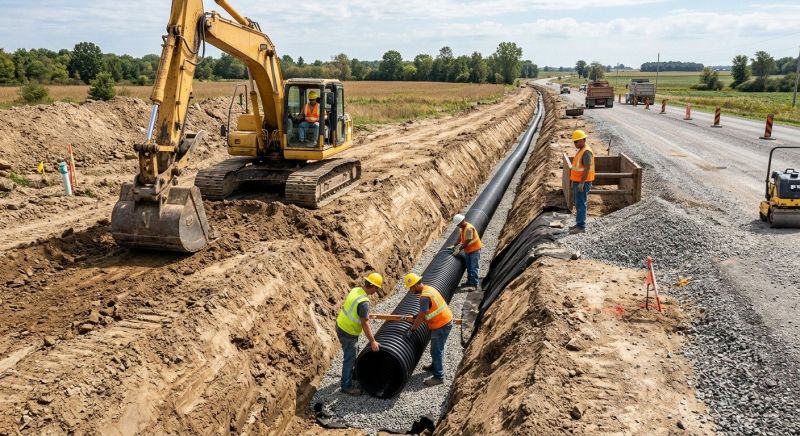
Drain trenching services involve digging narrow, deep channels in the ground to install or repair underground drainage systems. This process is commonly used for projects such as installing new drain lines, improving yard drainage, managing stormwater runoff, or replacing aging or damaged pipes. Homeowners planning landscaping, irrigation, or foundation drainage improvements often request drain trenching to ensure proper water flow and prevent water accumulation that could lead to property damage.
Before requesting drain trenching, property owners should consider the location and purpose of the project, including the type of soil and existing underground utilities. It’s also helpful to understand the scope of work, such as the length and depth of trenches needed, to ensure the project aligns with property drainage goals. Consulting with a professional can clarify the best approach for specific property conditions and help determine the most effective drainage solutions.
Many property owners in Houston, TX look into Drain Trenching for repairs, replacements, upgrades, and appearance-related improvements.
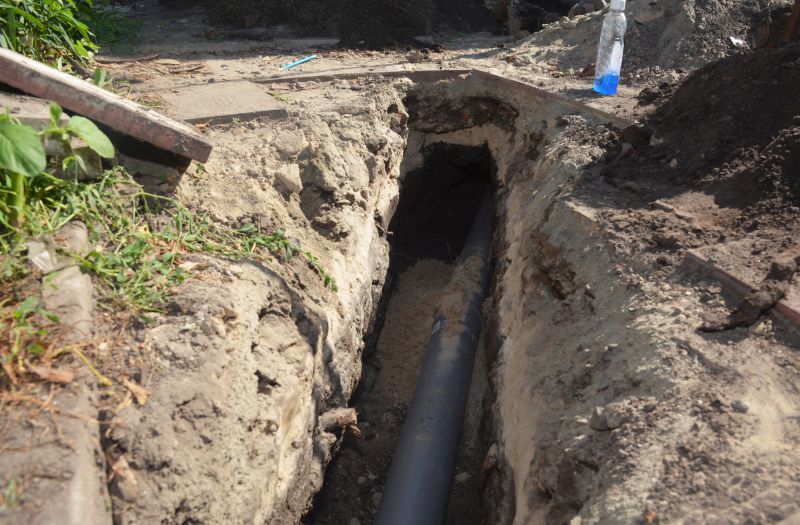
Drain Trenching For Utility Lines
Installing trenches for water, sewer, or electrical lines to ensure proper underground infrastructure.
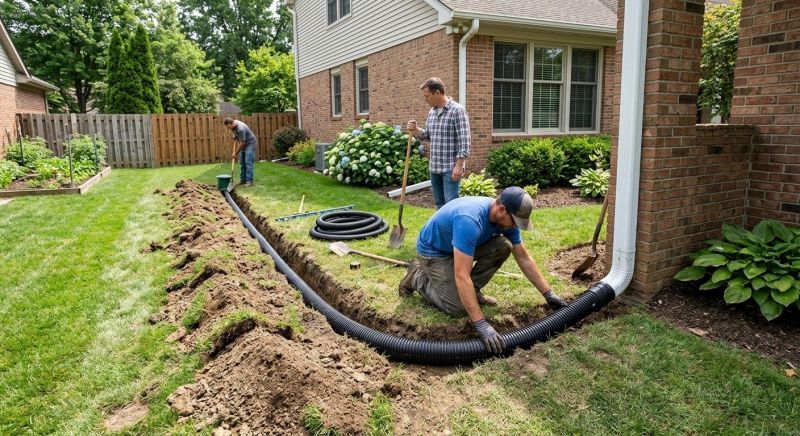
Foundation Drainage Solutions
Creating drainage trenches to prevent water buildup around building foundations in houston properties.
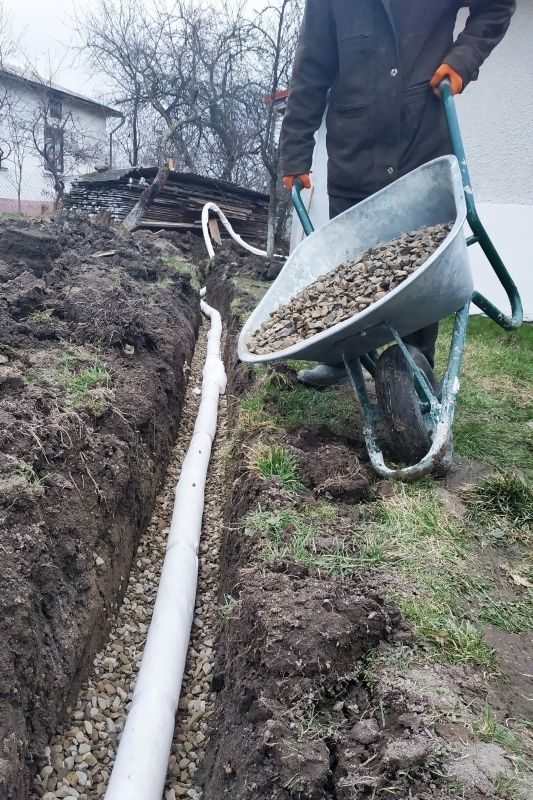
Landscape Drainage Improvements
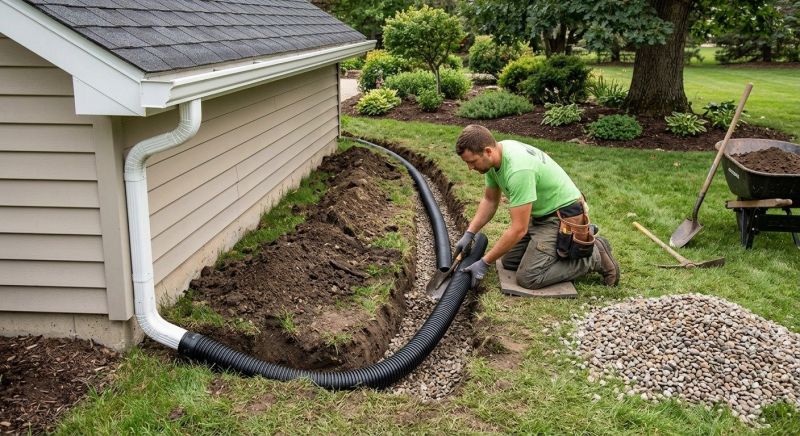
Implementing trenching systems to direct surface water away from yards and landscaped areas.
Drain Trenching in Houston, TX

Drain trenching services involve digging narrow, deep channels in the ground to install or repair underground drainage systems. This process is commonly used for projects such as installing new drain lines, improving yard drainage, managing stormwater runoff, or replacing aging or damaged pipes. Homeowners planning landscaping, irrigation, or foundation drainage improvements often request drain trenching to ensure proper water flow and prevent water accumulation that could lead to property damage.
Before requesting drain trenching, property owners should consider the location and purpose of the project, including the type of soil and existing underground utilities. It’s also helpful to understand the scope of work, such as the length and depth of trenches needed, to ensure the project aligns with property drainage goals. Consulting with a professional can clarify the best approach for specific property conditions and help determine the most effective drainage solutions.
Many property owners in Houston, TX look into Drain Trenching for repairs, replacements, upgrades, and appearance-related improvements.
Common Drain Trenching Jobs
Drain trenching - involves excavating narrow trenches to install or repair drainage pipes.
Foundation drainage - helps prevent water buildup around building foundations to reduce risk of damage.
Yard drainage solutions - directs excess surface water away from landscaping and property structures.
Stormwater management - installs trenches to improve runoff flow during heavy rain events.
Basement drainage - creates effective pathways to divert water away from basement walls.
Erosion control - stabilizes slopes and prevents soil erosion through strategic trench installation.
Drain Trenching Questions
What is drain trenching? Drain trenching involves digging a narrow, deep channel to redirect excess water away from a property or to install drainage systems.
When is drain trenching needed? It is typically used to address standing water issues, prevent flooding, or install new drainage lines for landscape or foundation protection.
What types of projects require drain trenching? Projects such as yard drainage improvement, basement waterproofing, or installing underground pipes often involve drain trenching.
How does drain trenching benefit property owners? It helps manage water flow effectively, reduces water-related damage, and improves overall property drainage.
Request Drain Trenching in Houston, TX
Use the quote form on this page to share the basics of your project and request more information for the type of work you need.